Preventing Email Spoofing: Benefits Of DMARC In Gmail
Email communication is a vital aspect of modern business operations. However, as much as it is crucial, it has become increasingly challenging to protect email users from malicious emails. That's where Domain-based Message Authentication, Reporting, and Conformance (DMARC) comes into play. DMARC is an email authentication protocol that helps organizations mitigate the risk of email phishing attacks. It uses a combination of DomainKeys Identified Mail (DKIM) and Sender Policy Framework (SPF) to ensure that messages come from legitimate senders.
Google's email service, Gmail, is one of the many email providers that has implemented DMARC to protect its users from spam and phishing attacks. This blog post will delve into the world of Gmail DMARC and explain how it works. We will explore the significance of DMARC in email authentication, how it works with Gmail, and how it can help protect your business from email phishing attacks.
The Menace of Email Spoofing
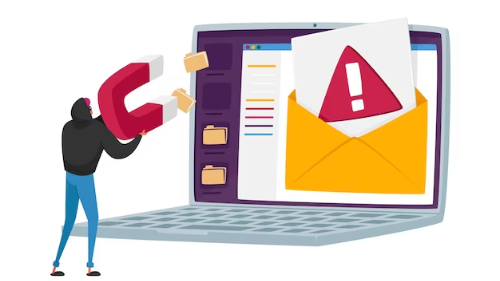
Email spoofing entails the manipulation of the sender's email address to give it an appearance of legitimacy, thereby deceiving recipients into perceiving the message as originating from a reliable source. This deceptive maneuver is frequently employed for illicit objectives such as phishing, dissemination of malware, and acquisition of confidential data. Succumbing to email spoofing can have severe repercussions, encompassing financial detriment and harm to one's reputation.
Benefits of DMARC in Gmail
DMARC works by letting domain owners publish policies that tell email servers how to deal with messages that don't pass authentication checks. When done right, DMARC has a bunch of cool benefits in Gmail.
- Sender Authentication: DMARC serves as a valuable tool in confirming the credibility of the sender's domain by employing SPF and DKIM authentication mechanisms. SPF validates which IP addresses are authorized to send emails on behalf of a particular domain, whereas DKIM uses digital signatures to ensure that the email's content remains intact and genuine.
- Prevents Domain Spoofing: DMARC effectively thwarts cybercriminals from exploiting a domain for sending deceitful emails. By imposing stringent authentication criteria, DMARC guarantees that only authorized senders can utilize the domain for email correspondence, thereby mitigating the likelihood of spoofing.
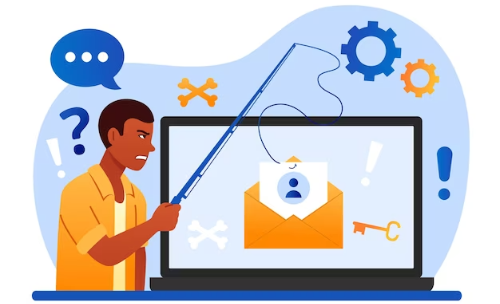
- Reduces Phishing: Phishing attacks heavily rely on email spoofing as a deceptive tactic to manipulate recipients into disclosing confidential data. However, the utilization of DMARC plays a crucial role in thwarting such attacks by blocking fraudulent emails from infiltrating users' inboxes, thereby shielding them from becoming victims of phishing scams.
- Enhances Deliverability: The implementation of DMARC policies is beneficial for enhancing email deliverability. By utilizing DMARC policies, email servers such as Gmail can effectively distinguish genuine emails and minimize the occurrence of both false positives and false negatives in spam filters.
- Reporting and Visibility: DMARC offers comprehensive reporting on the outcomes of email authentication, encompassing both successful and unsuccessful authentication attempts. This valuable data empowers domain owners to effectively oversee their email environment, identify any unauthorized activity, and implement necessary corrective actions.
- Customizable Policies: Domain owners have the ability to customize DMARC policies, giving them the option to apply various actions to messages that do not pass authentication. These actions can include quarantining or rejecting the emails.
- Industry Standard Adoption: DMARC has gained significant recognition and endorsement from leading email service providers, such as Gmail. By implementing a robust DMARC policy, domain owners effectively convey their commitment to enhancing email security, potentially leading to improved deliverability rates.
Steps to Implement DMARC in Gmail
1. Register Your Domain
Commence the process by registering your domain and configuring your DNS records accordingly.
2. Configure SPF Records
Establish SPF records that outline the approved IP addresses for sending emails on behalf of your domain.
3. Configure DKIM Signatures
It is necessary for you to create DKIM keys and then set them up in your DNS records so that digital signatures can be added to your outgoing emails.
Visit DMARC Report Here
DMARC Report
5965 Village Way Suite 105-234 San Diego, CA 92130
Phone: +1-855-700-1386
4. Set Up DMARC Records
Establish and distribute DMARC records to articulate your email protocol and offer guidance for email servers that accept messages from your domain.
5. Monitor and Analyze Reports
Consistently keep track of the DMARC reports to obtain a comprehensive understanding of the authentication status of your outgoing emails. Modify your policy as necessary, leveraging the insights derived from the data.
Considering all this, implementing DMARC authentication has become essential for businesses and organizations using Gmail for email communication. It helps to prevent email spoofing, phishing attacks, and domain abuse, among other security concerns. By enforcing DMARC policies, businesses can protect their brand reputation and ensure that their legitimate emails are delivered to the intended recipients.